
Toolbox
A selection of practical tools for people with aphasia, their loved ones, practitioners and researchers. The Aphasia Card, guides, videos, podcasts and much more.
Accessible
tools
for everyone.
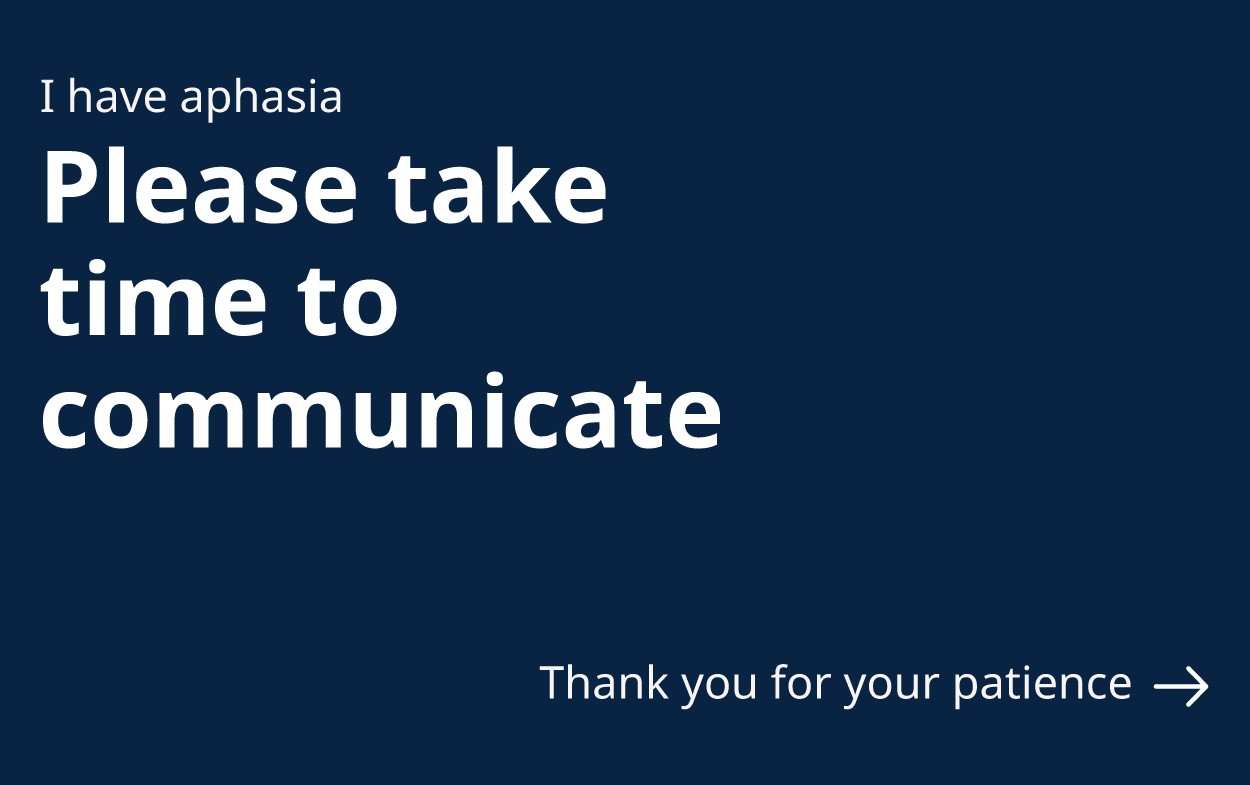
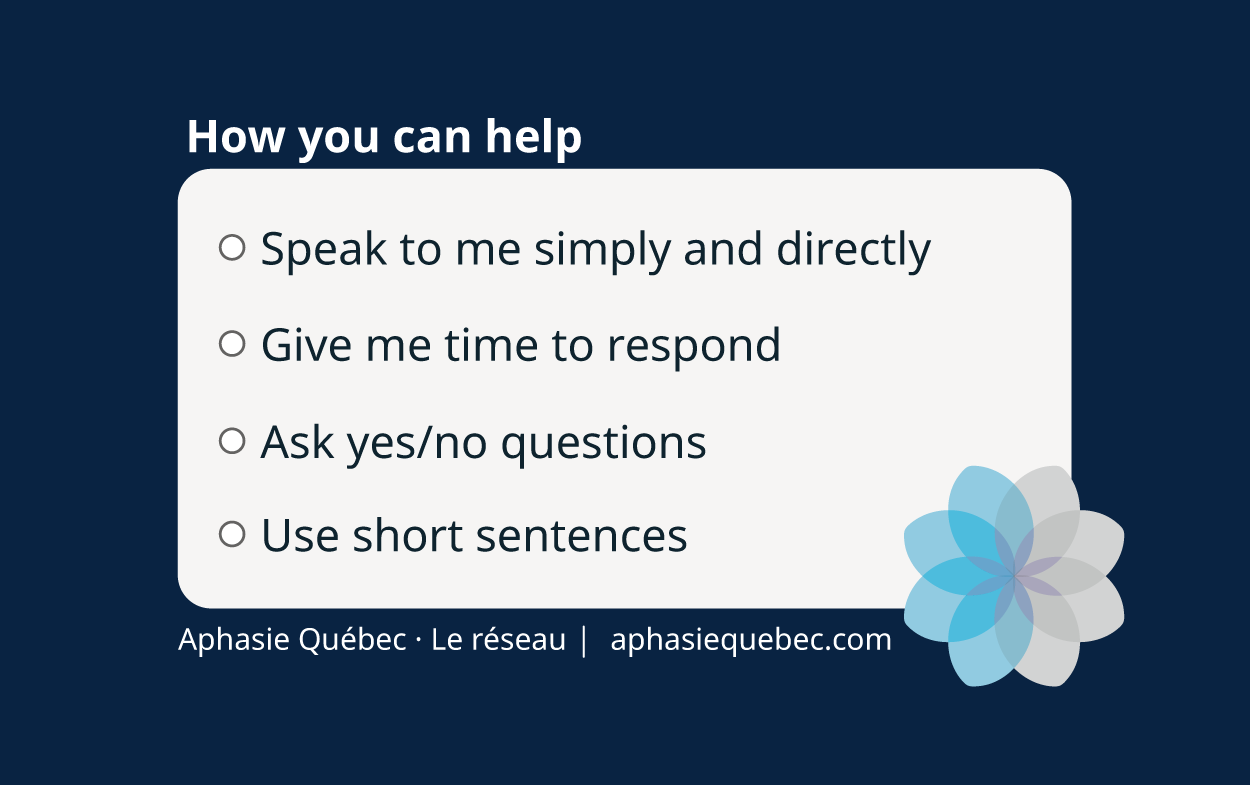
Aphasia Card
An essential communication tool to show when you are out and about, at medical appointments or in any situation where you need to make yourself understood. To print in wallet-card format. Available in French and English.
Toolbox
Available resources
-
ACCES Project
The ACCES project aims to equip businesses that wish to offer more accessible services to people dealing with communication difficulties.
-
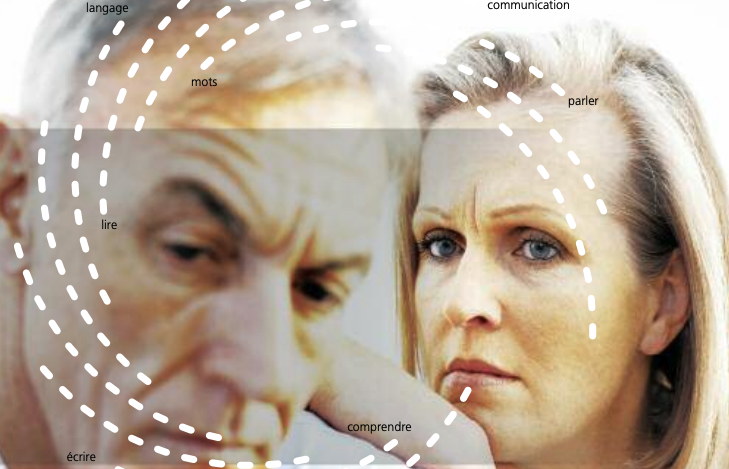
Do you know someone with aphasia? (MSSS)
A publication in which we try to answer, in a general way, the questions of anyone concerned by aphasia.
-

Heart + Stroke
This foundation has been dedicated to fighting heart disease and stroke for more than 60 years.
-

Parlure Program
Parlure is a workshop program designed for groups of people with aphasia (PA). It includes eight ready-to-use themed workshops that stimulate language skills and functional communication.
-

The little guide – alternative communication
This book aims to equip people living with aphasia so that they can regain a degree of independence in their everyday activities within their community, mainly in shops.
-

Online training on aphasia
The goal of the training is to deepen knowledge about aphasia and to present effective, adapted communication strategies.
-

Coming to Terms with Primary Progressive Aphasia
This is a free information and support program for people living with primary progressive aphasia and their loved ones. For more information or to bring the program to your region, contact info@plateformeapp.ca
-
The Assistance Measure
The Assistance Measure allows a person experiencing difficulties to receive free support from one or two trusted individuals for their communications and administrative procedures, while maintaining full control over their own decisions.
-

Understanding Brain Aging to Act with Kindness
Over Time is an initiative of the Ordre des psychologues du Québec aimed at helping people better understand the reality of older adults and their loved ones. By gaining a better understanding of how the aging brain works, we can collectively act with greater kindness and empathy toward older adults.
-
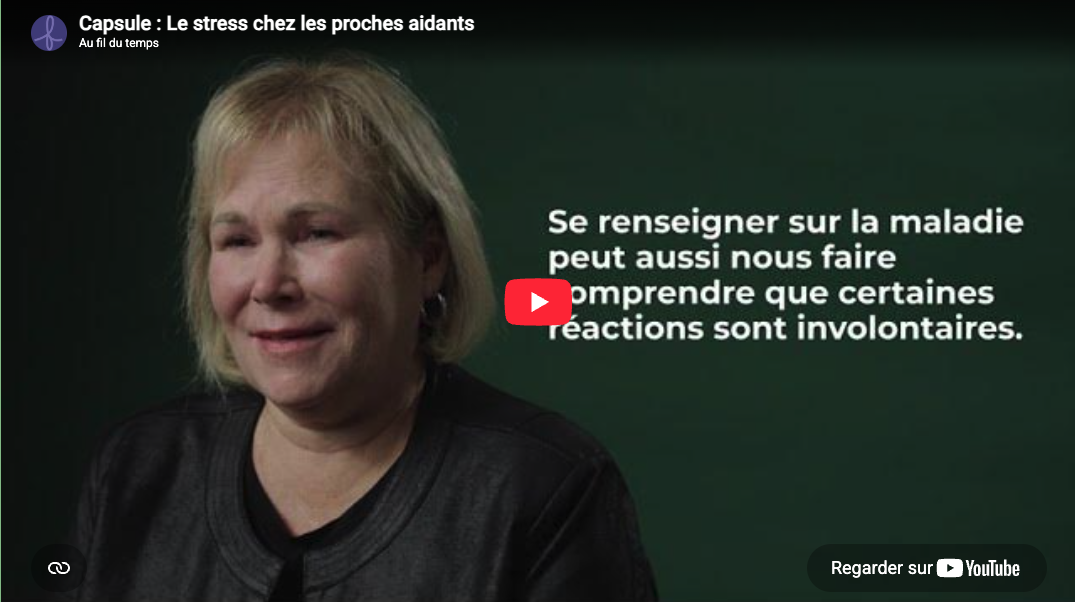
Video : Stress Among Caregivers
Being a caregiver means constantly adapting to new situations, waiting for services, and sometimes even having to advocate for basic care. It can be demanding, exhausting, and far from restful. This video explores the stress experienced by caregivers and the challenges they face in their daily lives.
-
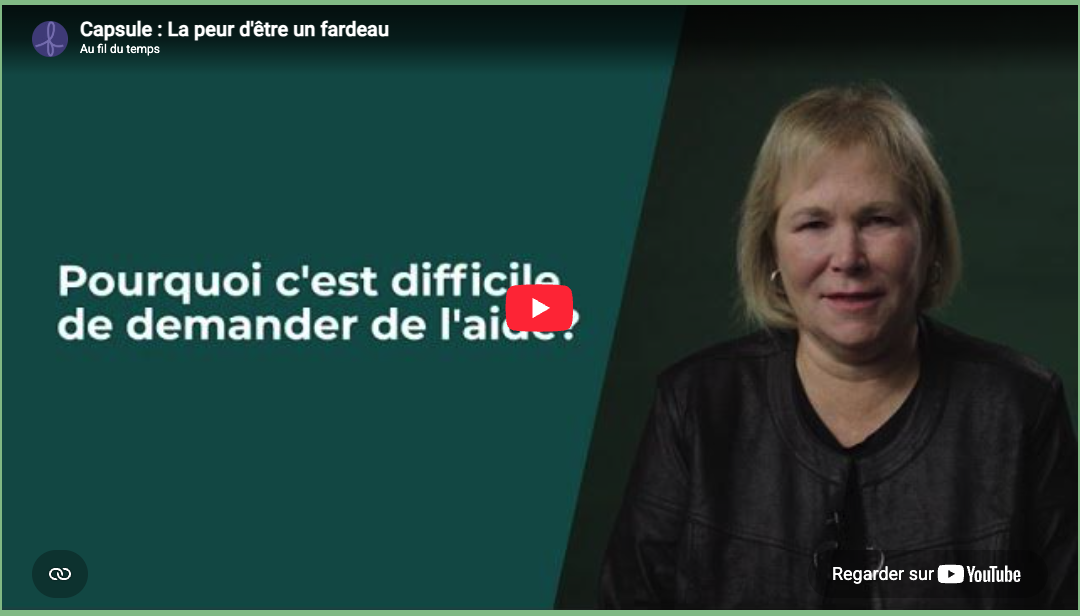
Video: The Fear of Being a Burden
Are you hesitant to ask others for help? Do you prefer to find solutions on your own rather than rely on family members or friends? This video explores the fear of being a burden and how it can affect the way we seek and receive support from those around us.
-
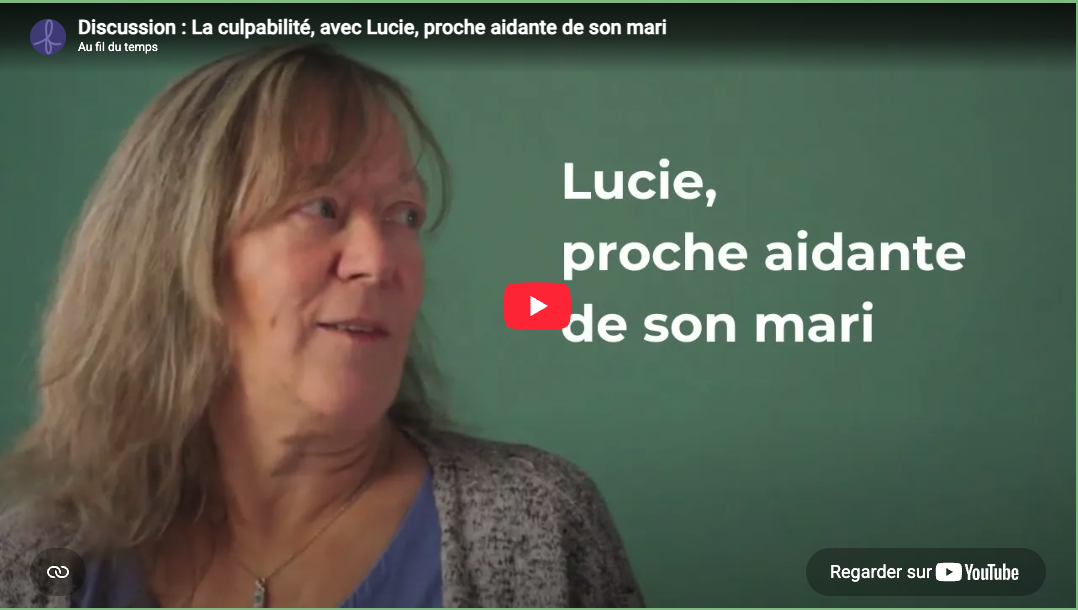
Video : Guilt, with Lucie, Caregiver to Her Husband
For the past several years, Lucie Marchand has been the primary caregiver for her husband, Richard. Following a stroke in 2016, his neurologist diagnosed him with CADASIL, a rare inherited condition that causes recurrent strokes. In March 2023, Richard was also diagnosed with moderate dementia. Lucie speaks with Dr. Christine Grou about the feelings of guilt she has experienced throughout…
-
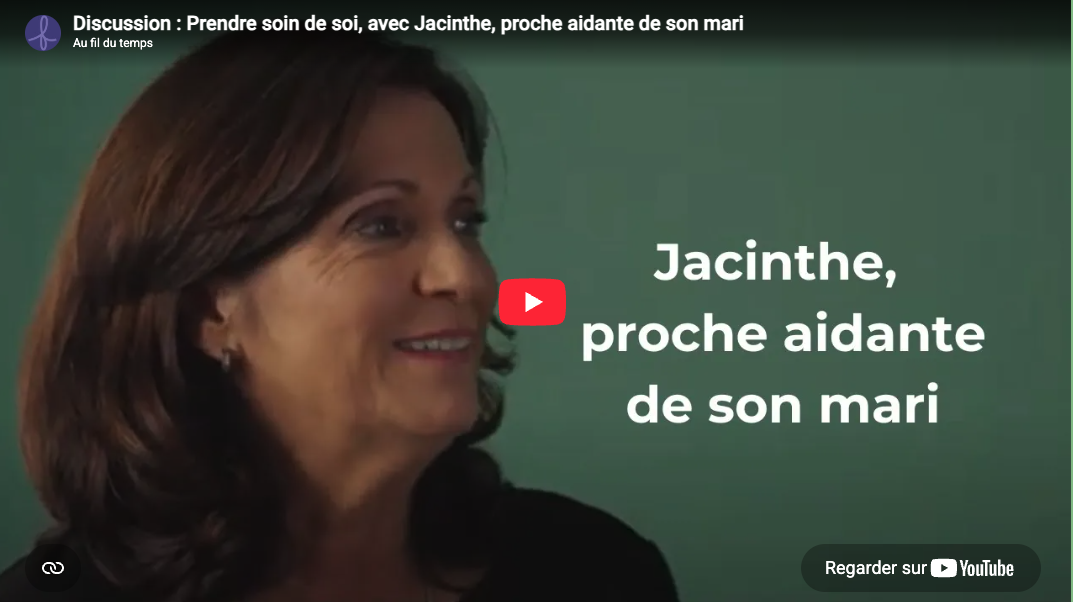
Video : Taking Care of Yourself, with Jacinthe, Caregiver to Her Husband
Jacinthe is a full-time caregiver for her husband, who is living with a neurocognitive disorder. In this testimonial, she discusses the strategies she uses to take care of her own well-being while supporting her husband. She shares her experience in a conversation with Dr. Christine Grou
-
Over Time
An initiative of the Ordre des psychologues du Québec to improve understanding of brain aging and promote empathy and compassion toward seniors.
-

Training Portal
L’Appui for Caregivers is committed to the continuous improvement of services for caregivers through its professional training program. L’Appui offers a wide range of training opportunities led by experienced instructors.
-
Aphasia Sharing Platform
A free collaborative platform designed for professionals working in adult aphasiology, including researchers, clinicians, and students. The platform also includes a section for people living with aphasia and their families, providing access to resources.
-
Aphasix
Empower people with aphasia to practice and improve their communication skills. This tool is designed to complement speech-language therapy by enabling individuals with aphasia to continue practicing between sessions with their speech-language pathologist. Developed by speech-language pathologists and neurologists, Aphasix supports every stage of the language recovery journey through personalized, evidence-based exercises.
-

The Role of the Speech-Language Pathologist in Supporting Individuals with Early Neurodegenerative Disorders
Blog article by Sarah-Ann Lelièvre, Speech-Language Pathologist, in collaboration with Oratio Clinic.
-
Acquired Language Disorders: Understanding for Better Support.
Blog article by Sarah-Ann Lelièvre, Speech-Language Pathologist, in collaboration with Oratio Clinic.
-
The Impact of Aphasia on Daily Life
Article written by Marie-Michelle Brouillard, Speech-Language Pathologist, in partnership with Oratio Clinic.
-
Tips for Communicating with a Person Living with Aphasia
Article written by Marie-Michelle Brouillard, Speech-Language Pathologist, in partnership with Oratio Clinic.
-

Tactus Therapy
Adult Speech Therapy Software for Clinicians & Home Use
-
Intensive and non-intensive treatment of lexical anomia are equally efficient in post-stroke aphasia
This work was supported by the partnership between the College of Audiologist and Speech-language Pathologist of Quebec (OOAQ) and the Quebec Rehabilitation Research Network (REPAR).
-
Language deficits in major forms of dementia and primary progressive aphasias: an update according to new diagnostic criteria
Key words: dementia, language impairment, Alzheimer’s disease, vascular cognitive impairment, dementia with Lewy bodies, primary progressive aphasia (PPA), nonfluent/agrammatic variant of PPA, semantic variant of PPA, logopenic variant of PPA
-
Podcast: The Hidden Effects of Mild Stroke
Episode 1: Research Findings Episode 2: Lived Experience Sharing Episode 3: The Role of Acute Care Episode 4: The Role of Community Organizations
-
Podcast : Mental Health After a Stroke
Episode 1: Managing Fatigue Episode 2: Emotions After a Stroke Episode 3: Strategies for Managing Emotions Episode 4: Partnership-Based Research in the Context of Stroke
No tool matches your search. Try another keyword or another category.
FAQ
Questions about the tools
What is the Aphasia Card and how do I get it?
The Aphasia Card is a wallet-format communication tool that a person with aphasia shows in order to be understood (medical appointments, shops, emergencies). It is free and downloadable in French and English, at the top of this page.
What is a communication board or communication book?
These are visual aids (images, pictograms, words) that a person with aphasia can point to in order to communicate when words are hard to find. Several of our guides explain how to use them in everyday life.
Are there apps for aphasia?
Yes, several alternative communication and language stimulation apps exist. Our member organizations and speech-language pathologists can guide you toward the tools best suited to your situation.
Are the tools free?
Most of the resources presented here are free (downloadable PDFs, websites, videos). Some programs or guides are available on request from the organization concerned.