
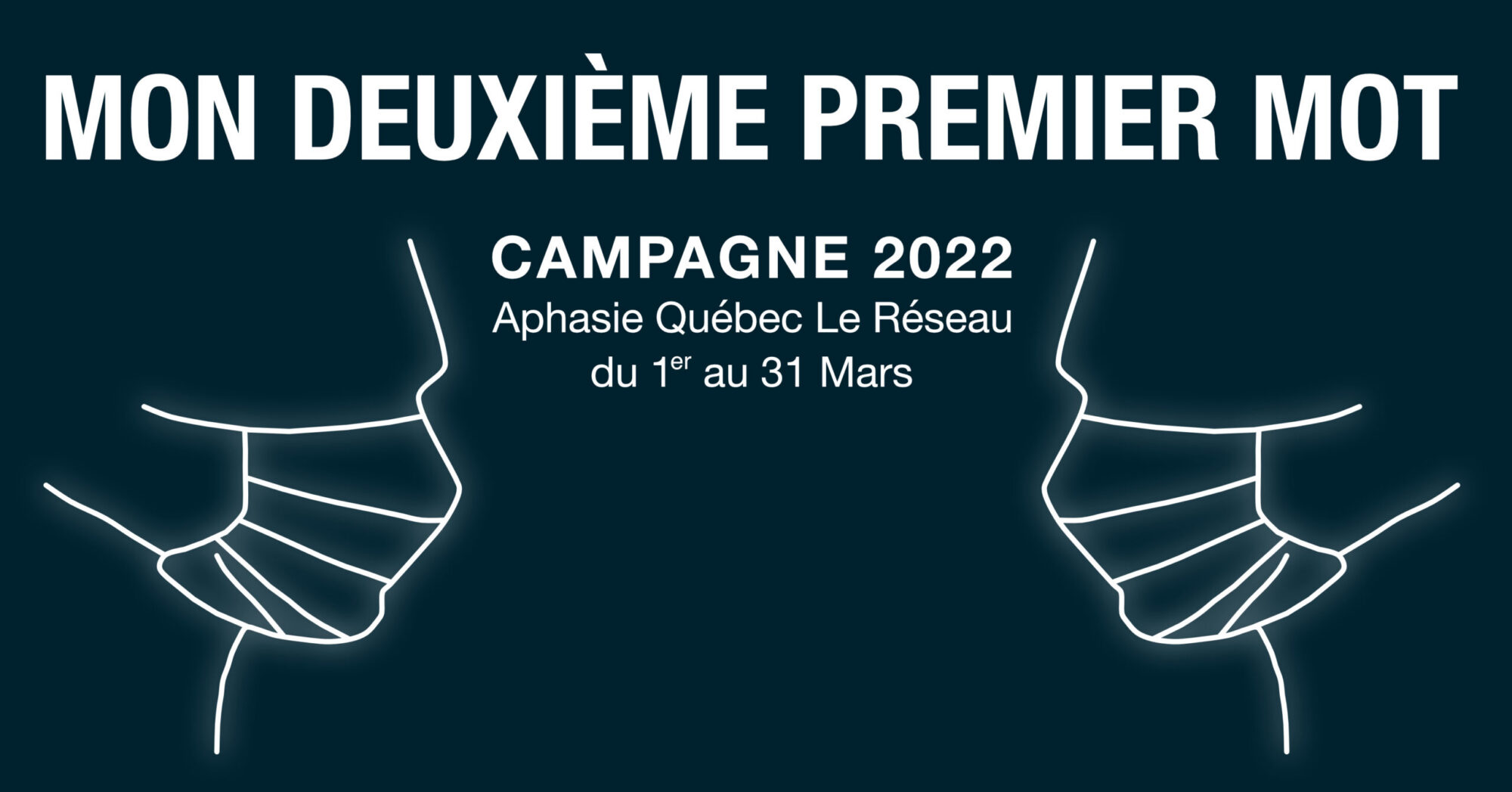
March 1 to 31, 2022
The 4th edition of the MY SECOND FIRST WORD (“Mon deuxième premier mot”) campaign aims to shine a light on the consequences of public health measures for people with aphasia. For a person with aphasia who experiences communication difficulties, wearing a mask and physical distancing are challenges that hinder the development of their skills. Physical distancing can even lead to a regression, or even the loss, of communication gains.
After two years of pandemic and isolation, the practitioners who work in our organizations are witnessing great distress.
A heartfelt plea from our spokespersons
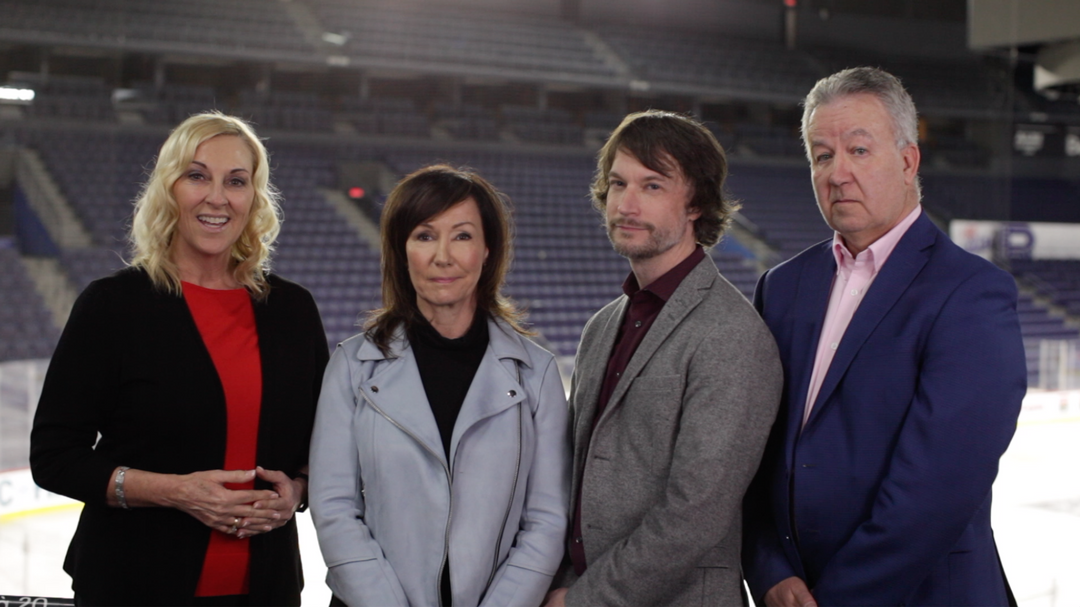
Our loyal spokespersons: Chantal Machabée, Vice-President of Communications for the Montreal Canadiens – Michel Demers, brother and caregiver of Jacques Demers – Josée Boudreault, host and person with aphasia – Louis-Philippe Rivard, writer and caregiver
Follow us on social media:
The consequences of public health measures
They have been significant for people with aphasia. Masks and physical distancing no longer allow them to communicate, which has a major impact on their daily lives and their future. When a person with aphasia is limited in their interactions with others, they stop progressing in their rehabilitation and their ability to communicate is weakened. In many cases, they even stop progressing and their abilities regress considerably.
The technological tools that have allowed many of us to stay in touch are a source of discouragement for people with aphasia, since using these tools requires constant assistance for many of them. Despite the online activities our organizations have adapted, we observe that the people who would need them most stay away from these activities because of the difficulty of using these tools. As a result, growing isolation brings a significant loss of motivation in its wake.
Isolation and the absence of communication create great distress not only for people with aphasia, but also for caregivers. For those who work with them, distancing and masks reduce their ability to identify and respond appropriately to their needs.
Aphasia means always having a word on the tip of your tongue without being able to say it
Together, to help people with aphasia find their words again. Aphasie Québec · Le Réseau is 13 member organizations spread across Quebec, along with researchers and health professionals, funders and government bodies working in the interest of people with aphasia and their caregivers.
Did you know…
According to the Ministère de la Santé et des Services sociaux (MSSS) and the Société de l’assurance automobile du Québec (SAAQ), 32,000 Quebecers are at risk of developing aphasia each year.
One person in ten will return to the job they held once their rehabilitation is complete.
Aphasia is not a mental health problem or an illness; it is a condition that results from damage to an area of the brain linked to language. This damage can be the consequence of a lesion (a stroke, a head injury, a tumour) or of a neurodegenerative disease.
Aphasia is not developmental language disorder
People with aphasia did not have language difficulties before this brain injury: you are not born with aphasia. Developmental language disorder refers to a language development disorder present from childhood.
Our organizations offer a variety of activities that help develop and maintain communication gains.
Over the past two years, public health measures have forced most of our organizations to suspend their communication stimulation workshops. Some organizations have been able to offer an online version of these workshops for people who have access to a computer and are able to use it.
Give to “Mon deuxième premier mot” to make a difference!
Aphasie Québec · Le Réseau is here to support people with aphasia, their loved ones and the organizations.




- $5 — A word
- $25 — A sentence
- $75 — A page
- $150 — A book
- $500 — An encyclopedia
Our goals after the campaign
- Continue developing everyday communication tools and make them accessible to people with aphasia;
- Hold the MY SECOND FIRST WORD campaign every year to raise public awareness of aphasia;
- Develop and adapt training such as “Life after a stroke” so that it takes into account the specific challenges faced by people with aphasia.
They are joining the campaign
Our valued spokespersons


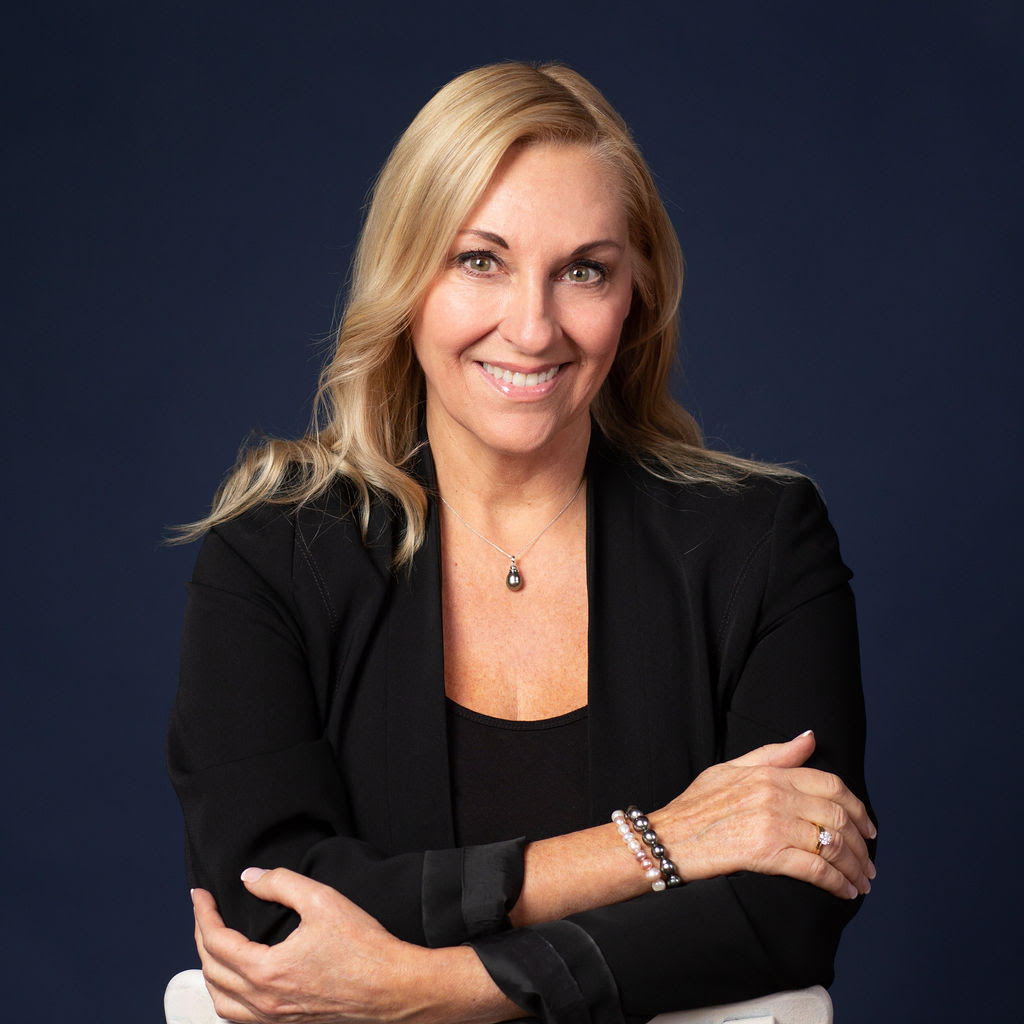

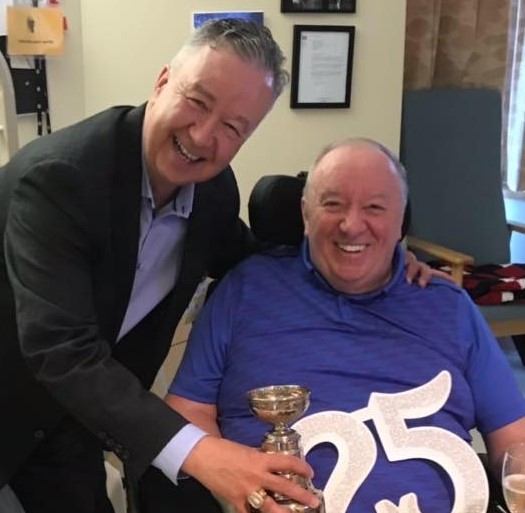
Chantal Machabée
Vice-President of Communications for the Montreal Canadiens and former colleague of Jacques Demers
Josée Boudreault, Louis-Philippe Rivard
Host and person with aphasia, Writer and caregiver
Michel Demers
Brother and caregiver of Jacques Demers
Together for people with aphasia and their loved ones
Our spokespersons at the Bell Centre, Montreal.